
The mission of the Ohio School-Based Center of Excellence for Prevention and Early Intervention is to help Ohio's schools, community-based agencies, and families work together to achieve improved educational and developmental outcomes for all children — especially those at emotional or behavioral risk and those with mental health problems.


Ohio School-Based Center of Excellence for Prevention and Early Intervention

The Ohio School-Based Center of Excellence for Prevention and Early Intervention in the Department of Psychology at Miami University is committed to ongoing applied research, pre-service education of future clinicians, in-service training of educators and mental health professionals, and direct clinical and consultative service to school districts and community partners.
About the Center
The Ohio School-Based Center of Excellence for Prevention and Early Intervention at Miami University operates within the Department of Psychology. Center staff, faculty, graduate and undergraduate students, and community partners are involved in research, consultation, and clinical service initiatives.
An important goal of the Center, in existence since 1998, is to build collaborative relationships with schools and community agencies to address the mental health and school success of children and adolescents through the promotion of expanded school mental health programs and services. The intent is to promote the development and implementation of effective programs to enhance healthy psychological development of school-age students and reduce mental health/behavioral health barriers to learning.
The center is committed to ongoing applied research, pre-service education of future clinicians, in-service training of educators and mental health professionals, and direct clinical and consultative service to school districts and community partners.

Vision
Every child in Ohio — including those at emotional or behavioral risk and those with mental health problems — will have the opportunity and the support needed to be successful in school.
Mission
To accomplish this mission we will:
- promote awareness of the mental health needs of students attending Ohio's schools and the critical links between mental health and school/academic success
- promote the adoption and implementation of policies (at all levels) that encourage effective practices to improve the mental health and school success of Ohio's students
- help to build capacity within mental health and education systems for enhanced collaboration and effective school mental health programs and services
- build and sustain strong regional action networks to promote mental health — education — family collaborations, with broad stakeholder representation
Initiatives
Miami University's Center for School-Based Mental Health Programs (CSBMHP) would like to offer you the opportunity to become a member of a virtual/online Community of Practice (COP) to support the social, emotional, behavioral, and mental health needs of your K-12 students.
For the 2020-2021 COPs, special emphasis will be placed on the impact of the COVID-19 pandemic on students' mental health and well-being.
Five COPs will be available in 2020-2021:
- K-12 Educators and Classroom Personnel
- Building and District Administrators
- School Counselors
- School Psychologists
- School Social Workers
What Can You Expect from Your COP Membership?
Community of Practice membership includes:
- Online/virtual forum to network and collaborate with others who work in a professional role similar to you
- Weekly information briefs (tailored to your role) containing evidence-based and research-informed strategies to support your students’ social, emotional, behavioral, and mental well-being
- Monthly online/virtual professional development training sessions (tailored to your role) on key social, emotional, behavioral, and mental health topics relevant to K-12 students
- For professional development activities, contact hours will be provided to educators/administrators, and CEUs will be provided to counselors, school psychologists, and social workers
- Opportunity to identify and triage mental health and behavioral health challenges with other professionals in your same role, and brainstorm possible solutions
- Access to national, state, and local mental health and behavioral health resources related to the identified challenges and solutions
- Resources to support a Comprehensive Continuum of Mental Health & Behavioral Health Supports for School-Age Youth
Schedule
Communities of Practice will operate online/virtually from:
Monday, September 14th, 2020 through Friday, May 7th, 2021.
The COP experience will be flexible in terms of impact on your schedule. You can participate in forum discussions at times that are convenient for you. All resources will be made available in electronic format, and will be emailed to you and available for download in the archives. All professional development training sessions will be recorded and made available in archived format. You can choose to attend professional development training sessions live (which allows you to actively participate), or access the archived recordings at times that are convenient for you.
Cost
The cost to participate is $150, which equates to approximately $4 per week for the 34-week program.
Total cost = $150 for the 2020-2021 COP, plus Miami University's $9 processing fee. ($159 total cost)
For more information, please contact Dr. Cricket Meehan (meehandc@MiamiOH.edu; (513) 529-4247).
The Ohio School Wellness Initiative was designed to explore, implement, and sustain a full continuum of care including prevention, early intervention, and treatment practices for K-12 students within local districts who adopt student assistance programs, Tier II/III supports, and staff wellness frameworks.
Ohio Model Student Assistance Program (SAP)
The cornerstone of this initiative is the development of a model SAP that can serve as a best practice standard for Ohio's K-12 schools. Schools implementing a student assistance program will benefit from:
- evidence-based approaches to support education, prevention, early identification, evidence-based intervention, referral processes, and guided support services for K-12 students who are exhibiting a range of substance use, mental health, and behavioral health risk factors
- resources, online training, and guidance related to school board policy, staff development, program awareness, internal referral process, problem-solving team and case management, direct services to students, cooperation and collaboration, integration with other school-based programs, program evaluation, and continuous improvement strategies
Tier II & Tier III Supports
Throughout this initiative, integrative approaches will be identified to strengthen Tier II supports (targeted supports such as social skills groups, self-management, and academic supports) and Tier III supports (intensive, individualized supports such as functional behavioral assessments and wraparound services) within the Ohio Model SAP for students experiencing substance use, mental health, and behavioral health concerns. School integrating Tier II/III supports within their SAP will benefit from:
- best practices for early intervention and individualized, intensive intervention to address substance use, mental health, and behavioral health concerns among students
- resources and staffing guidance for embedding Tier II/III supports within their SAP
- partnerships with the Ohio Positive Behavioral Interventions and Supports Network and state-wide prevention education training initiatives
Staff Wellness Framework
In alignment with the Ohio Whole Child Framework, a Staff Wellness Framework will be developed to promote wellness among school administrators and staff. Schools implementing the Staff Wellness Framework will benefit from:
- best practices to support staff wellness, professional resilience, secondary trauma prevention, resiliency, self-care/self-compassion, efficacy/confidence building, and mental/physical health
- recommendations for human resource department policies related to employee assistance programs, such as mental health days and mechanisms to support wellness and resilience
- specific guidelines for human resources departments to support their staff who are at risk of and/or experiencing substance abuse and mental health disorders, such as depression screening, low-risk drinking guidelines
For all three components, a needs assessment and resource audit will be conducted to:
- Develop a crosswalk of existing initiatives, training models, and resources in the state of Ohio.
- Leverage existing practices and partners.
- Identify gaps to inform the creation and dissemination of high impact content and resources.
In approaching this work, the project team will prioritize a comprehensive and sustainable approach in which the components are aligned (when appropriate); tools, resources, training and supports on SAPs, Tier II/III supports, and staff wellness frameworks are readily available; 80 pilot schools (10 per region) representative of Ohio's diverse districts are identified to implement SAP, Tier II/III, and staff wellness action plans; and regional training, coaching, and support networks are established to provide ongoing support to school districts, community service providers, and students/families.
Crucial to the success of this project, Miami University will partner collaboratively with education and mental health professionals throughout the state to establish regional networks of support for school districts as they implement and sustain the three components
Funded by a Substance Abuse and Mental Health Services Administration (SAMHSA) Mental Health Awareness Training (MHAT) grant, the Center for School-Based Mental Health Programs (CSBMHP), the Ohio Mental Health Network for School Success (OMHNSS), a cadre of Youth Mental Health First Aid (YMHFA) instructors, referral agencies throughout Ohio, and the Discovery Center for Evaluation, Research, and Professional Learning are partnering in a proposed initiative entitled Youth Aid Ohio: Mental Health Training, Resources, Referrals.
This initiative is providing YMHFA training to school personnel (e.g., educators, administrators, school support staff, school resource officers), behavioral health providers (e.g., behavior specialists, social workers, counselors), youth-serving organization staff (e.g., mentors, coaches, tutors), and parents and family members so they can recognize signs and symptoms of mental health concerns among school-age youth in pre-kindergarten through grade 12, and refer those youth to services, as appropriate.
YMHFA will be delivered throughout each of the regions of the OMHNSS, providing opportunities for adults throughout the entire state of Ohio to participate. The goal of the proposed project is to raise awareness of mental health needs among school aged youth and to build statewide and local capacity of the behavioral health workforce to develop integrated, comprehensive, data-driven strategic plans that will prevent, delay the onset, mitigate the seriousness of mental health and behavioral health problems, and ensure that youth have access to timely and effective services.
Funded by a Substance Abuse and Mental Health Services Administration (SAMHSA) Substance Use Disorder (SUD) training grant The SUD Highly Qualified Practitioner Training and Preparation Project will ensure that graduates of Miami University will undertake cutting edge SUD training, and will be certified to use the training to provide high quality SUD services in Ohio and elsewhere. Enhancing and integrating SUD topics into Miami's regular curriculum will deepen the understanding and enhance the skill development of future social service professionals across disciplines.
This enhanced understanding will include information related to substance use disorders, case management, when and how to refer for substance use treatment, relapse prevention, how to handle relapse, and how models, such as harm reduction, work in the field. In addition, a key component of this project is developing a clear pathway to certification and licensure through the Ohio Chemical Dependency Professionals Board to increase the pool of eligible applicants for jobs in the region and deepen the SUD knowledge of skilled professionals in a variety of employment settings, including but not limited to social services, nursing, teacher education, psychology, educational psychology, and kinesiology and health.
Goals and Objectives
The goals of the project are to:
- Increase the capacity of the local SUD workforce by increasing the number of well-trained, educated, skilled, competent, certified, and credentialed providers who can implement high-quality SUD services.
- Expand our network of partnerships to support newly trained field practicum students by increasing their practical knowledge during the implementation of high-quality SUD services.
Our objectives for achieving these goals include:
- completing revisions of undergraduate and graduate SUD courses
- increasing students' knowledge and usefulness of key SUD concepts
- using experts in SUD screening, assessment, and treatment to oversee the development, implementation, and revision of the new SUD curriculum to ensure research-informed content
- increasing field placement students' knowledge and skills related to SUD screening, assessment, and treatment
- increasing faculty's knowledge of SUD screening, assessment, and treatment
- expanding partnership resources through membership and participation in the Mental Health & Addiction Advocacy Coalition
To create the biggest impact, this training will be offered to 190 undergraduate and graduate students across the university with specific recruitment efforts targeting social work, nursing, public health, kinesiology, psychology, teacher education, and educational psychology students. Graduate students in the social work program will be required to take a 3-credit hour course on SUD Treatment Techniques, aligning with the State of Ohio's Chemical Dependency Counselor Assistant and Chemical Dependency Counselor required training content areas.
The Center for School-Based Mental Health Programs (CSBMHP) will serve as the epidemiology and evaluation team for Butler County's Strategic Prevention Framework (SPF) - Partnerships for Success (PFS) initiative. The Butler County team is implementing the Prevention+ project to enhance current prevention infrastructure allowing prevention partners to mitigate emerging risk factors that are putting youth at greater risk of alcohol and marijuana use in Butler County, Ohio.
The CSBMHP epidemiology and evaluation team will:
- Obtain, analyze, and report quantitative (surveys, archival data) and qualitative data (listening sessions, interviews).
- Support the grant team and community partners in establishing prevention priorities for Butler County.
- Assess disparities and continuously monitor emerging community needs.
- Measure the level to which the SPF-PFS program is achieving the expected outcomes.
- Document that program activities are implemented according to plan, as well as any course corrections and why.
- Meet quarterly with the Butler County SPF-PFS team.
- Submit annual reports (to meet the federal reporting deadlines for the initiative).
The primary goal of our proposed empirical evaluation is to determine the efficacy and effectiveness of the online FLIP IT Parent Training to decrease negative social, emotional, and behavioral outcomes and increase positive social, emotional, and behavioral outcomes among children of foster parents. Based on our review of the relevant literature, parent training has been associated with positive outcomes, including more positive parenting practices, more positive disciplinary strategies and fewer disciplinary and behavioral problems among the children.
Our objectives are to:
- Assess whether or not the online FLIP IT Parent Training is associated with positive outcomes among the children within foster families in each of these areas.
- Examine how foster parents 'attempt' new skills, how foster parents 'appraise' the successfulness of their attempts, and how foster parents 'apply' their new skills and knowledge over the long-term.
- Determine whether or not demographic characteristics predict commitment to the invention and/or outcomes following the intervention.
- Assess the impact that these demographic factors may have in mortality (e.g., dropout) rates among foster parents who initially express interest in participating in the program.
- Assess the impact these demographic factors have in impacting outcomes among foster parents who complete the online FLIP IT Parent Training.
The Center for School-Based Mental Health Programs is collaborating with Mental Health America of Northern Kentucky and Southwest Ohio, Inc. and their partners to support first aiders trained as part of the Mental Health First Aid (MHFA) and Youth Mental Health First Aid (YMHFA) training initiative. The CSBMHP team is providing 'What's Next?' support to first aiders following their training.
This support includes:
- coordinating 'What's Next?' components with the MHFA program coordinators
- modifying the already-existing youth-focused resources to support all MHFA programs (e.g., MHFA, YMHFA, minorities, faith-based, and older adults)
- coordinating access of these resources to all mental health first aiders trained throughout the proposed initiative
- serving as a liaison between key stakeholders serving both mental health first aiders and the individuals they are trained to support (e.g., individuals experiencing mental health and behavioral health concerns)
- building statewide capacity to support the Comprehensive Continuum of Mental Health and Behavioral Health Supports
- fostering an effective, long-term, and sustainable MHFA program in Ohio
Mental health first aiders who receive this additional level of resources and support should experience improved self-efficacy (e.g., reduced stress, improved confidence) in their abilities to help individuals in need.
Miami University is providing Butler County Juvenile Court with an in-depth evaluation of their Family Drug Court services in order to objectively demonstrate measurable value. The analyses outline demographic trends, risk and protective factors, and changes in socio-emotional health and behavior for the young people and families impacted by participation in Butler County Juvenile Court's Family Drug Court, including participation in the evidence-based Celebrating Families program.
Further, community and school factors are being considered, including recidivism and attendance. Additionally, data compiled will be included in the multi-year evaluation, allowing for further trends and patterns of data to emerge. The results of these analyses will provide Butler County Juvenile Court with information needed to make data-driven decisions to best address the current and future needs of its Family Drug Court participants through both prevention and intervention services.
The Center for School-Based Mental Health Programs (CSBMHP) is convening interested Butler County school districts and independent community schools for the purpose of guiding them through the process of creating an individualized comprehensive prevention plan. Participating schools will have already completed their district/community school needs assessment as part of their proposal process to the Butler County Mental Health & Addiction Recovery Services (BCMHARS) Board. Starting with these needs assessments, the CSBMHP team will utilize the framework for Comprehensive Continuum of Mental Health Behavioral Health Supports Framework.
The CSBMHP has a wealth of online resources that will help districts and community schools develop a fully thoughtful plan which utilize the tiers of intervention. These online resources include a compendium of screening tools, registry for quality and effective practices, as well as an interactive map of service providers in the area. Districts will leave the process with a comprehensive plan for the 2020-21 school year as well as a 3-year "good/better/best" blueprint which will allow them to begin long-term intentional planning for their prevention and mental health support services.
Miami is the "action research" partner for Butler County's COAP/COSSAP grant focused on developing and evaluating training and prevention strategies targeted towards children impacted by the opiate epidemic, as well as acting as research consultant for COAP/COSSAP grant project personnel to assess and make improvements to the current data collection already in place that tracks outreach post-overdose, treatment engagement, and retention. Miami is working in conjunction with other grant partners and Butler County Mental Health & Addiction Recovery Services (BCMHARS) Board to:
- Develop and evaluate specialized training and a rapid response program for first responders, victim service providers, and child protective services professionals to meet the needs of children present at an overdose scene and/or impacted by drug use in the home. Trainings will be offered to child and youth-serving organizations, such as schools, athletic leagues and faith-based organizations, among others.
- Develop and evaluate the curriculum for specialized prevention services to support children affected by substance abuse.
- Consult and advise on evaluation metrics, outcome measures, and direct the project based on the ongoing data collection process.
The Center for School-Based Mental Health Programs (CSBMHP) is providing evaluation services for the Fairfield County Comprehensive Opioid Abuse Program (COAP). The CSBMHP team is providing analysis and reporting for the following data collected by the Fairfield County COAP team:
- overdose data and demographics
- Opioid Response Team visits, Narcan kit distribution and warm handoffs
- expedited treatment (both referrals and completed treatment) information
- engagement through an interdisciplinary case management system
- development and expansion of a community substance abuse education and prevention campaign
- development of a sustainable COAP initiative
The CSBMHP team is also providing technical assistance and consultation regarding implementation and sustainability strategies for each of the above goals.

Ohio School-Based Center of Excellence for Prevention and Early Intervention
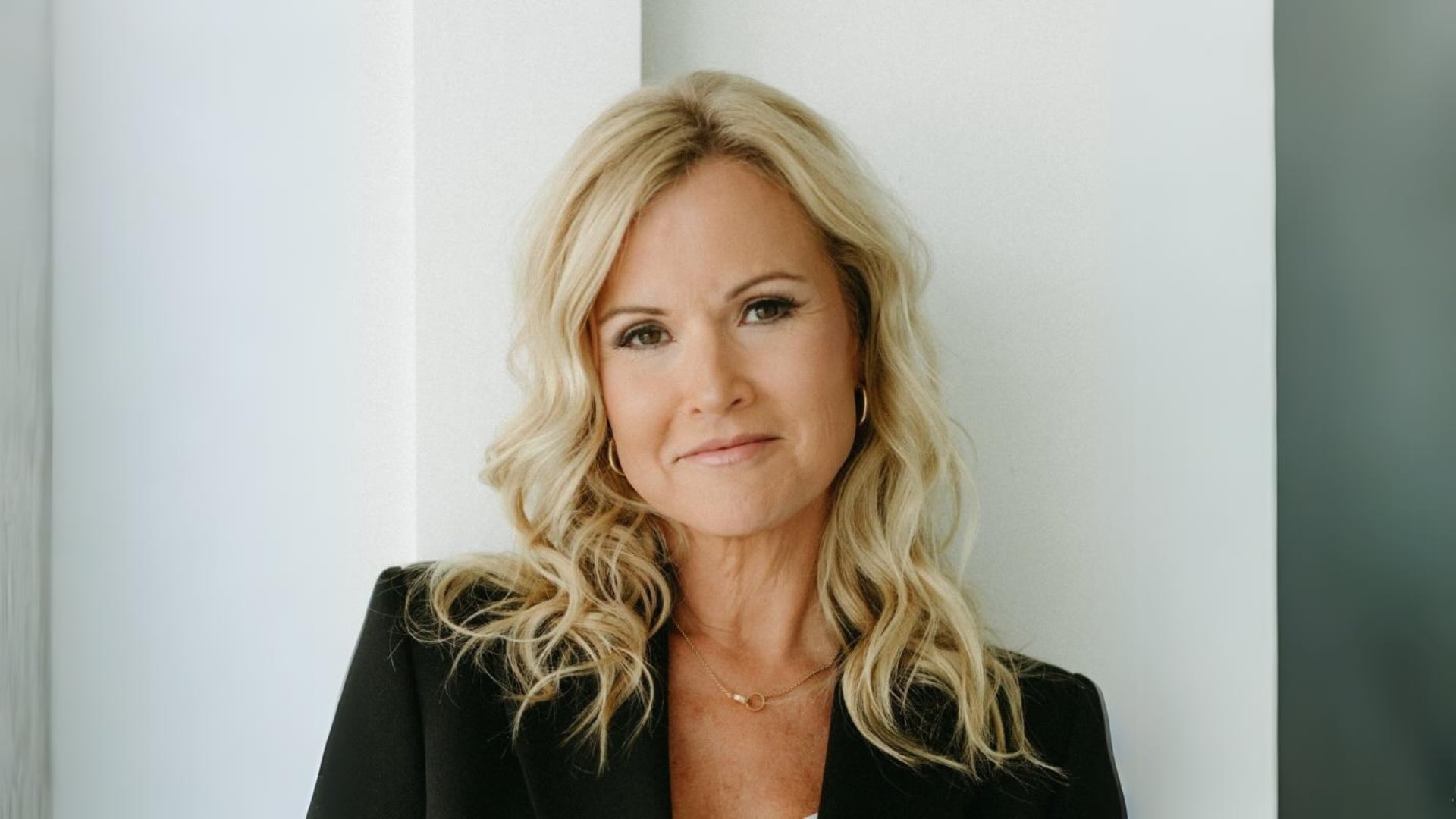
Dawna-Cricket-Martita Meehan, Ph.D., Director
90 North Patterson Avenue
Oxford, OH 45056